
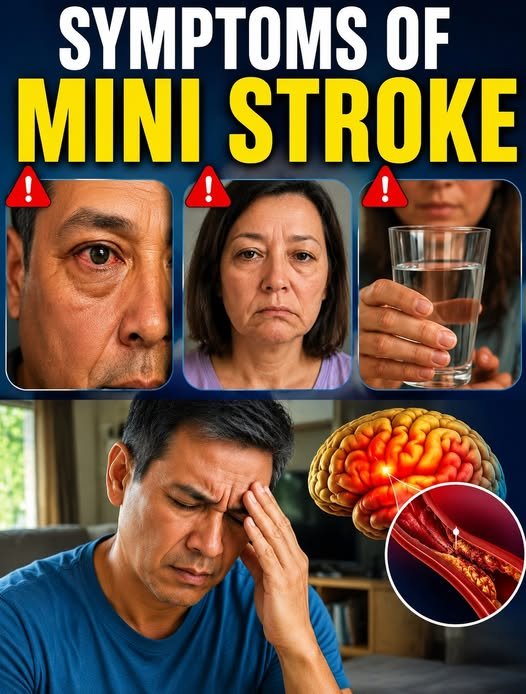
# Discover 15 Potential Warning Signs of a Transient Ischemic Attack (TIA) You Might Be Overlooking
Transient Ischemic Attacks (TIAs), often referred to as “mini-strokes,” can be critical warning signs of potential future strokes. Recognizing the symptoms can save lives and lead to timely medical intervention. In this article, we will explore 15 potential warning signs of a TIA that you might be overlooking.
## What is a Transient Ischemic Attack (TIA)?
A Transient Ischemic Attack occurs when there is a temporary decrease in blood flow to the brain. While the symptoms are similar to those of a stroke, they typically last only a few minutes to a few hours and resolve completely without permanent damage. However, TIAs are serious medical events and indicate a higher risk of subsequent strokes. Understanding the warning signs can help in taking preventive measures.
## 1. Sudden Numbness or Weakness
One of the most common symptoms of a TIA is sudden numbness or weakness, especially on one side of the body. This can affect your face, arm, or leg. If you experience this symptom, it’s crucial to seek medical care immediately, as it may signal an impending stroke.
## 2. Difficulty Speaking
Individuals experiencing a TIA may have trouble speaking or understanding speech. This can manifest as slurred speech or difficulty forming sentences. Be mindful of sudden changes in communication abilities.
## 3. Vision Problems
A TIA can cause sudden changes in vision, such as blurred or double vision. You might also have difficulty seeing in one or both eyes. Pay attention to any rapid visual disturbances, especially if they occur without an obvious cause.
## 4. Loss of Coordination
A sudden loss of coordination or balance can signify a TIA. This might make it difficult to walk or perform everyday tasks. If you notice an unusual sense of clumsiness, it’s important to consult a healthcare professional.
## 5. Dizziness or Lightheadedness
Feeling dizzy or lightheaded can also be a warning sign of a TIA. If you experience unexplained dizziness along with other symptoms, it’s essential to report these to your doctor.
## 6. Severe Headache
While headaches are common, a sudden severe headache without a known cause, often described as a thunderclap headache, can be a major warning sign of a TIA or an impending stroke. If this occurs, seek immediate medical treatment.
## 7. Changes in Sensation
In addition to numbness or weakness, you might experience changes in sensation, such as tingling or a “pins and needles” feeling. These unusual sensations can indicate a disruption in blood flow to the brain.
## 8. Confusion
Sudden confusion or difficulty understanding simple concepts can be indicative of a TIA. If you or someone you know is experiencing unexpected disorientation, it may be time to seek medical evaluation.
## 9. Memory Issues
Transient memory loss, particularly if it occurs suddenly, may be a warning sign of a TIA. If you find yourself having difficulty recalling basic information, it’s wise to consult your physician.
## 10. Changes in Emotional State
Sometimes, a sudden change in emotional state, such as increased anxiety or depression, can be indicative of a TIA. This might not be a typical sign, but if it occurs alongside other symptoms, take it seriously.
## 11. Fatigue
Unexplained fatigue can also be a subtle sign of a TIA. While fatigue can result from many factors, if it appears with other symptoms, it warrants a visit to a healthcare professional.
## 12. Chest Pain
Though chest pain is often associated with heart issues, sudden chest pain along with other neurological symptoms may suggest a TIA. Ignoring this symptom could have serious consequences.
## 13. Difficulty Swallowing
Experiencing sudden challenges with swallowing, known as dysphagia, may indicate that a TIA is occurring. This symptom can lead to choking and other complications, emphasizing the need for medical evaluation.
## 14. Agitated Behavior
Sudden changes in behavior, including increased agitation or irritability, might signify neurological issues, including a TIA. If you observe these changes, particularly in someone at risk for strokes, it is crucial to seek help.
## 15. An Overall Sense of Impending Doom
Many individuals describe an unshakable feeling of impending doom or an overwhelming sense that something is wrong during a TIA. This emotional symptom, while vague, should not be overlooked.
## Conclusion
Recognizing the warning signs of a Transient Ischemic Attack is vital to preventing more severe strokes and their potential consequences. If you or someone you know experiences any of these symptoms, seeking immediate medical attention is imperative. Early intervention can dramatically change outcomes and lead to effective management strategies for stroke prevention.
By understanding these symptoms and acting quickly, you are not only safeguarding your health but also potentially saving a life. Always consult healthcare professionals for advice tailored to your individual health needs and attend regular check-ups, especially if you are at high risk for strokes. Stay informed, stay vigilant, and prioritize your neurological health.
