
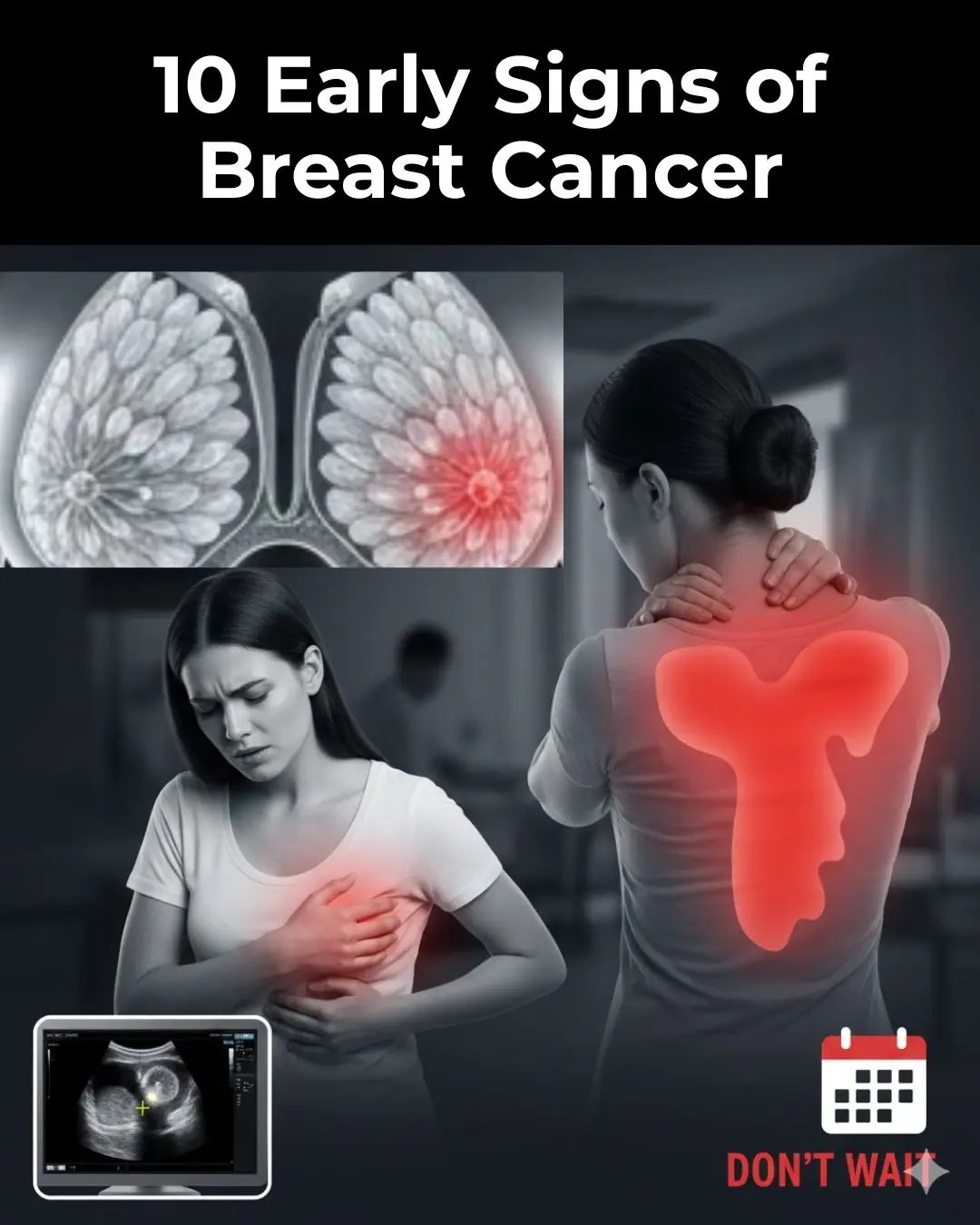
# 10 Early Warning Signs of Breast Cancer You Should Never Ignore
Breast cancer is one of the most common types of cancer diagnosed among women, but it can also occur in men. Early detection plays a critical role in improving treatment outcomes and survival rates. Recognizing the early warning signs allows for prompt action, consultation with healthcare professionals, and potential life-saving interventions. Here, we illuminate ten early warning signs of breast cancer that should never be overlooked.
## 1. Change in Breast Shape or Size
One of the most noticeable early signs of breast cancer is a change in shape or size of the breast. Many women may experience variations in breast size due to hormonal changes or fluctuation in weight. However, a sudden and unexplained change may indicate the presence of a tumor that alters the structural integrity of the breast tissue.
### What to Do:
If you notice a significant difference in breast size or shape, consult with your healthcare provider for further evaluation.
## 2. Lumps or Masses in the Breast
The presence of a lump or mass is one of the most recognizable indicators of breast cancer. While not all lumps are cancerous, especially cysts or benign tumors, any new lump should be investigated. Lumps can appear anywhere in the breast and may feel hard, uneven, or tender.
### What to Do:
Perform regular breast self-exams and maintain routine clinical exams. If you discover a lump, schedule an appointment to have it evaluated through imaging tests such as a mammogram or ultrasound.
## 3. Changes in the Texture or Appearance of the Skin
Skin texture changes can manifest as dimpled, puckered, or scaly areas on the breast. This can be a sign of inflammatory breast cancer, a rare yet aggressive form of breast cancer that often results in skin alterations.
### What to Do:
Monitor any alterations in skin texture closely. If you observe swelling, redness, or the skin appears different in color or texture, seek a medical evaluation immediately.
## 4. Nipple Changes or Discharge
Nipple changes, including inversion, discharge, or a rash around the nipple, can also be early indicators of breast cancer. Discharge may be bloody, clear, or yellow, and should never be ignored.
### What to Do:
Report any unusual nipple discharge or changes to your healthcare provider. A thorough examination can reveal the underlying cause and guide further action.
## 5. Pain or Discomfort in the Breast
While breast pain is not typically associated with breast cancer, unusual or persistent pain, especially in conjunction with other symptoms, can be cause for concern. Breast cancer may cause localized pain due to the tumor’s presence or related tissue changes.
### What to Do:
If you experience unexplained breast pain along with other symptoms, do not hesitate to reach out to your healthcare provider for a comprehensive assessment.
## 6. Swelling in the Breast or Armpit
Swelling in the breast or lymph nodes in the armpit area may signify that breast cancer has developed and potentially spread. This swelling could occur with or without the presence of a lump and may feel firm or swollen to the touch.
### What to Do:
If you notice any unusual swelling, it is important to have it checked by a medical professional for prompt diagnosis and necessary intervention.
## 7. Changes in the Color of the Breast
Changes in the color of the breast can be another visual indicator of breast cancer. This could include areas that appear red, purple, or darker than the surrounding skin. Such discoloration may be linked to inflammation or growth within the breast tissue.
### What to Do:
Keep an eye on any changes in color. If discoloration persists or is accompanied by other symptoms, consult your healthcare provider for evaluation.
## 8. Swollen Lymph Nodes
Breast cancer can cause swelling in lymph nodes located in the armpits or above the collarbone. Swollen lymph nodes might not always be painful or tender, so it’s crucial to check for any enlargement even if there are no other symptoms.
### What to Do:
If you detect swollen lymph nodes, especially in conjunction with breast changes or pain, make an appointment with your healthcare professional for proper diagnosis and management.
## 9. Persistent Fatigue
While fatigue can stem from numerous conditions, persistent and unexplained fatigue can sometimes be an underlying symptom of cancer. As cancer develops, the body may expend additional energy fighting the disease, leading to chronic tiredness.
### What to Do:
If fatigue does not improve with rest and is coupled with any physical changes or discomfort, it’s advisable to consult a healthcare provider for evaluation.
## 10. Unexplained Weight Loss
A sudden and unexplained weight loss can be a significant red flag in one’s health, indicating potential underlying issues, including cancer. As breast cancer progresses, metabolic changes may occur, leading to weight loss without intentional changes to diet or exercise.
### What to Do:
If you experience unexplained weight loss alongside any aforementioned symptoms, contact a healthcare professional for further investigations.
## Conclusion
Breast cancer is a serious health concern that warrants early detection and treatment. Being aware of these ten early warning signs may empower you and those you care about to recognize potential health risks. Regular self-exams, clinical check-ups, and open communication with healthcare providers are vital in the early detection of breast cancer. Remember, if you ever find anything unusual or concerning regarding your breast health, seek medical advice promptly. Your vigilance could save your life or the life of someone you love.
