
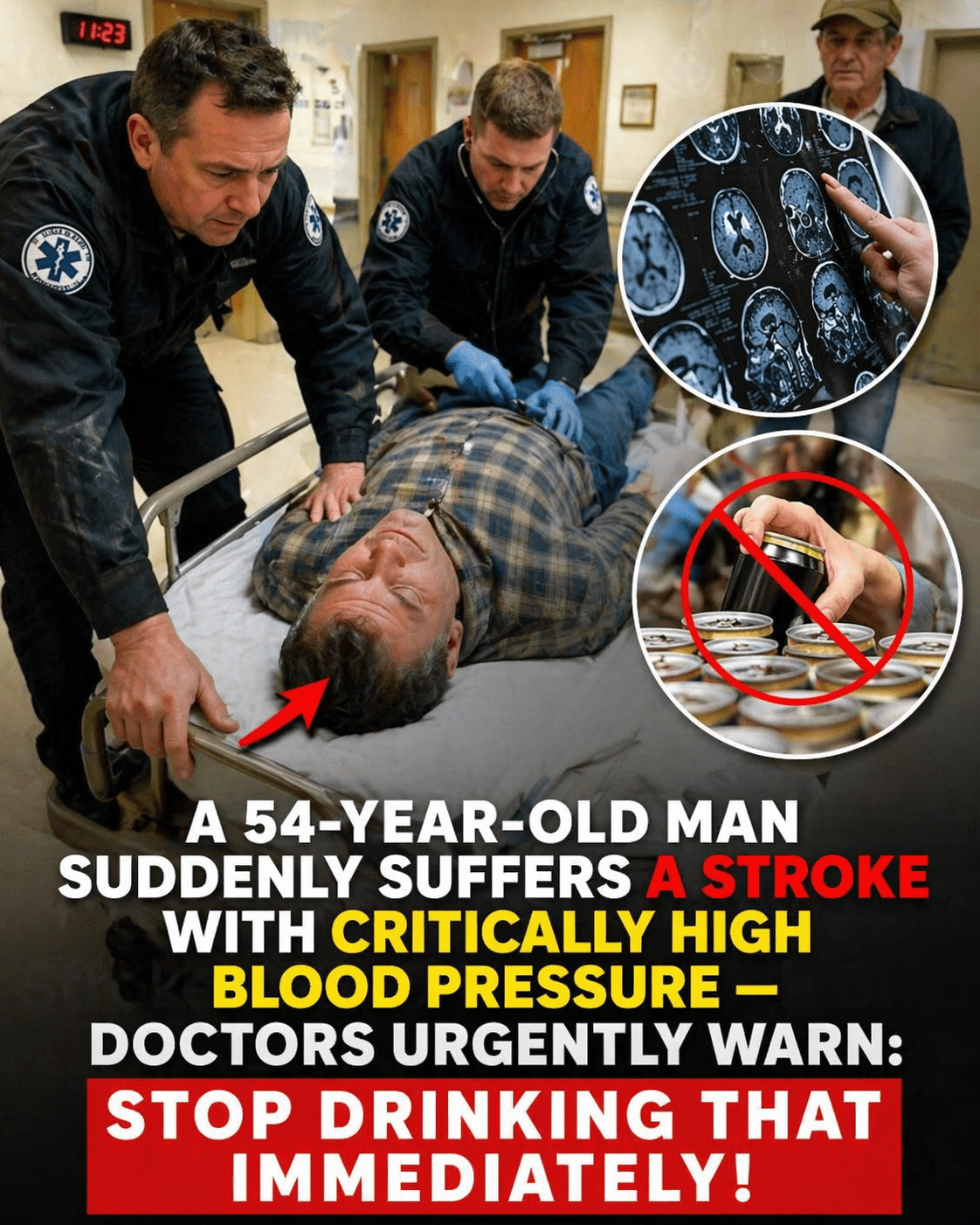
Imagine waking up one morning feeling your usual self, heading to work like any other day, only to suddenly experience weakness on one side of your body, numbness, and difficulty with balance that changes everything in an instant. For a 54-year-old warehouse worker who considered himself fit and healthy, this nightmare became reality after his daily routine of relying on energy drinks to power through long shifts. His story starts with a seemingly innocent habit that many people share, but what seemed like a helpful boost turned out to have serious consequences for his cardiovascular system and brain health. The good news is that by understanding how certain habits affect your body, you can make informed choices to support your well-being long-term – but there’s more to this story that could change the way you think about your own daily pick-me-ups, so keep reading to discover practical steps that might make a real difference.
The Real Story of a Sudden Health Crisis
This otherwise healthy man arrived at the emergency room with classic signs including left-sided weakness, numbness, and ataxia, or trouble coordinating movements. Medical imaging confirmed an ischemic stroke in the thalamus, a key part of the brain involved in sensory and motor functions.
His blood pressure was dangerously high at the time – reaching levels that doctors describe as a hypertensive crisis. Despite initial treatments, his blood pressure remained stubbornly elevated until doctors dug deeper into his daily habits.
What Doctors Discovered About His Routine
Upon further questioning, it became clear that the man had been consuming approximately eight cans of energy drinks every day to stay alert during his physically demanding job. Each can packed a significant amount of caffeine, pushing his daily intake to around 1,280 milligrams – more than three times the amount generally considered safe for most adults.
Studies and case reports, including this one published in BMJ Case Reports, highlight how such high levels of caffeine and other ingredients in energy drinks can put immense pressure on the heart and blood vessels.
But here’s the thing that makes this case particularly eye-opening: the man had no other major risk factors. He didn’t smoke, and he was generally fit. This shows that even people who seem healthy can be vulnerable to the effects of excessive consumption over time.
How Energy Drinks Impact Your Cardiovascular System

Energy drinks typically contain high doses of caffeine, added sugars, taurine, and other stimulants. While a single can might provide a temporary lift, regular heavy use can lead to several changes in the body.
Research shows that caffeine can cause your blood vessels to constrict and your heart rate to increase. Over time, this repeated stress can contribute to elevated blood pressure. High blood pressure is a well-known risk factor for stroke because it can damage blood vessel walls and promote clot formation.
Additionally, the combination of high sugar and stimulants may affect blood flow and increase inflammation, though more research is needed to fully understand all the mechanisms.
Here’s what really surprised the medical team: once the man stopped drinking the energy drinks, his blood pressure began to normalize, and he was able to reduce or stop some of his medications. This suggests that for some people, cutting back on these beverages can have a positive impact on blood pressure management.
Recognizing When Your Habit Might Be Becoming a ProblemIt’s important to pay attention to how your body responds to what you consume. Common signs that you might be overdoing it with energy drinks include:
- Feeling jittery or anxious after drinking them
- Difficulty sleeping even when you’re tired
- Frequent headaches or heart palpitations
- Needing more and more to feel the same energy boost
If you notice these, it may be worth evaluating your intake. And remember, sudden symptoms like severe headache, confusion, weakness on one side, or trouble speaking require immediate medical attention – think FAST (Face drooping, Arm weakness, Speech difficulty, Time to call emergency services).
Practical Tips to Reduce Your Energy Drink Intake

Making changes doesn’t have to be overwhelming. Here are some actionable steps you can start today:
- Track your current consumption: Keep a simple log for a week to see exactly how much you’re having.
- Set a realistic reduction goal: If you’re drinking several cans a day, try cutting back by one or two cans per week rather than quitting cold turkey to minimize withdrawal effects like headaches.
- Replace one drink at a time: Swap one energy drink with water, herbal tea, or a lower-caffeine option like green tea.
- Stay hydrated with plain water: Dehydration can make you feel sluggish, mimicking the need for a stimulant.
And that’s not all. Small lifestyle tweaks can make the transition smoother and help maintain steady energy levels.
Healthier Ways to Boost Your Energy Naturally
The best part? There are plenty of sustainable ways to feel more energized without relying on high-caffeine beverages. Research supports several effective strategies:
- Prioritize quality sleep: Aim for 7-9 hours per night. Consistent sleep schedules help regulate your natural energy cycles.
- Move your body regularly: Even a short 10-15 minute walk can increase blood flow and release endorphins for natural alertness.
- Eat balanced meals and snacks: Focus on foods rich in protein, complex carbohydrates, and healthy fats to avoid energy crashes. Think nuts, yogurt, whole grains, and fresh fruits.
- Stay well-hydrated: Drinking enough water throughout the day is one of the simplest yet most effective energy boosters.
- Manage stress: Practices like deep breathing, meditation, or talking with friends can prevent stress from draining your vitality.
Many people find that these habits not only provide steadier energy but also support overall health in ways that energy drinks simply can’t.
What the Science Says About Moderation
While occasional use might be fine for many healthy adults, experts from organizations like the FDA note that up to 400 milligrams of caffeine per day is generally considered acceptable for most people. That’s roughly equivalent to about four cups of coffee, but energy drinks can deliver that amount – or more – in just one or two servings.
Case studies like this one underscore the importance of being mindful, especially if you have any underlying health concerns or consume them in large quantities regularly.
Conclusion: Small Changes Can Support Better HealthThis 54-year-old man’s experience serves as a powerful reminder that our daily habits can have bigger impacts than we realize. By becoming more aware of what we put into our bodies, we can take proactive steps to support our heart, brain, and overall well-being.
Whether you’re a busy professional, shift worker, or anyone looking for sustained energy, considering your beverage choices is a smart move. The key is balance and listening to your body’s signals.
Frequently Asked Questions
Are energy drinks safe if I drink them occasionally?
For most healthy adults, moderate consumption is unlikely to cause issues. However, it’s wise to monitor how you feel and avoid making them a daily staple, especially in large amounts.
Health
How much caffeine is too much?
Guidelines suggest up to 400 mg daily for most adults. Keep in mind that energy drinks, coffee, tea, and even some foods all contribute to your total intake. If you experience side effects, it may be time to cut back.
What are some good alternatives for an energy boost?
Try staying hydrated, eating nutrient-dense foods, getting regular movement, and ensuring good sleep. Herbal teas or moderate amounts of green tea can provide a gentler lift for those who want some caffeine.
Disclaimer: This article is for informational purposes only and is not intended as medical advice. Always consult with a qualified healthcare professional for personalized guidance regarding your health, blood pressure, or any symptoms you may be experiencing. Individual responses to caffeine and lifestyle changes can vary.
