
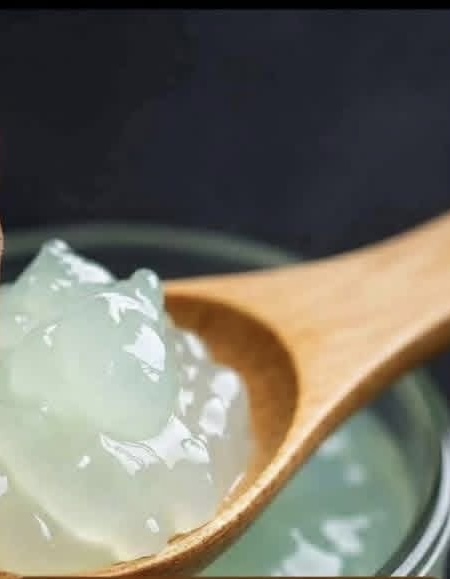
Aloe vera has been used for generations as a simple natural ingredient for soothing and moisturizing the skin. Today, aloe vera gel is also commonly included in skincare products because of its refreshing texture and hydrating properties. Claims that aloe vera can make wrinkles disappear, dramatically tighten the skin, or restore youth overnight are popular online, but these promises should be viewed realistically. While aloe vera may support healthy-looking skin, it is not a magic treatment for wrinkles or aging.
Why Aloe Vera Is Popular for Skincare
Aloe vera gel contains a high percentage of water, making it a lightweight ingredient that can provide temporary hydration. Well-formulated aloe products may leave the skin feeling softer, smoother, and more comfortable, especially when the skin is dry.
Aloe vera is also known for its soothing properties. This is one reason it is frequently used in products designed for dry or irritated skin. When the skin is properly moisturized, fine lines caused or emphasized by dryness can sometimes appear less noticeable.
However, this temporary improvement should not be confused with permanent wrinkle removal. Skin aging is influenced by many factors, including genetics, sun exposure, natural changes in collagen and elastin, and environmental stress.
Does Aloe Vera Remove Wrinkles?
There is no good evidence that applying homemade aloe vera gel can completely eliminate wrinkles. Wrinkles develop as the skin gradually changes with age, including reduced collagen production and loss of elasticity. A topical natural ingredient cannot simply reverse all of these processes.
Aloe vera may nevertheless have a useful role in a basic skincare routine. Hydrated skin can look smoother and more supple, which may make some fine lines less noticeable. This effect is generally related to moisturization rather than the disappearance of the underlying wrinkle.
For people interested in long-term skin aging prevention, daily sun protection is much more important. Ultraviolet radiation is a major contributor to premature skin aging, so protecting the skin from excessive sun exposure should be a central part of any skincare routine.
How to Use Aloe Vera Gel on the Skin
If you want to try aloe vera for its moisturizing and soothing benefits, choose a simple skincare product containing aloe vera from a reputable manufacturer. Products formulated specifically for facial skin are often preferable to raw plant material because they can contain controlled concentrations and appropriate preservatives.
Apply a small amount to clean skin and allow it to absorb before following with a moisturizer if needed. During the daytime, finish with a broad-spectrum sunscreen.
If you are using fresh aloe vera from a plant, take extra care. The yellow latex found beneath the outer leaf can irritate the skin and is different from the clear inner gel. Commercial cosmetic aloe products may therefore be a more convenient option.
Aloe Vera and Skin Hydration
One of the most realistic benefits of aloe vera in skincare is hydration. Skin that lacks moisture can feel tight, rough, or uncomfortable. Adding a suitable moisturizing product can improve the skin’s surface appearance and help maintain its protective barrier.
For better results, aloe vera does not have to be used alone. A skincare routine can include a gentle cleanser, a moisturizer, and sunscreen. Depending on individual skin needs, other evidence-based ingredients may also be considered.
Aloe vera can complement this routine, but it should not replace products designed to provide reliable sun protection or targeted anti-aging care.
Can Aloe Vera Tighten Loose Skin?
Another common claim is that aloe vera can permanently tighten loose or sagging skin. There is currently insufficient evidence to support this claim.
Aloe gel can temporarily make the skin feel hydrated and refreshed, but that is different from physically tightening loose skin. Significant changes in skin firmness involve deeper structural changes that cannot be reliably achieved with a simple homemade gel.
This distinction is important when evaluating viral beauty recipes. Natural does not automatically mean ineffective or effective, and a dramatic before-and-after image does not prove that a particular ingredient caused the result.
Important Skin Safety Tips
Before applying any new skincare ingredient to your face, consider performing a small patch test on an inconspicuous area. Stop using the product if you develop significant redness, itching, burning, swelling, or other irritation.
Avoid applying skincare products to broken or severely irritated skin unless recommended by a healthcare professional. Also, be cautious with recipes that combine aloe vera with multiple household ingredients. Lemon juice, baking soda, essential oils, and other popular DIY additions can irritate the skin and may cause unwanted reactions.
If you have persistent skin problems, unexplained changes, or significant irritation, a dermatologist can help determine the appropriate treatment.
A Simple Aloe Vera Skincare Routine
For a straightforward routine, start by gently cleansing your face. Apply a thin layer of a suitable aloe vera product if your skin tolerates it. Follow with a moisturizer to help maintain hydration. In the morning, use broad-spectrum sunscreen as the final step.
At night, cleanse the skin and apply your moisturizer. Aloe vera can be included if you enjoy its soothing, lightweight feel.
Consistency is more important than expecting an overnight transformation. Healthy skin generally benefits from gentle care, adequate moisturization, sun protection, sleep, and a balanced lifestyle.
The Bottom Line
Aloe vera can be a useful skincare ingredient for hydration and soothing, and it may temporarily make dry skin and fine lines look less noticeable. However, claims that aloe vera makes wrinkles disappear, permanently tightens the skin, or restores youthful skin are not supported by strong evidence.
For healthier-looking skin over time, focus on proven basics such as daily sun protection, gentle cleansing, regular moisturizing, and carefully selected skincare products. Aloe vera can be a pleasant addition to that routine, but it should be considered a supportive skincare ingredient rather than a miracle anti-aging treatment.
