
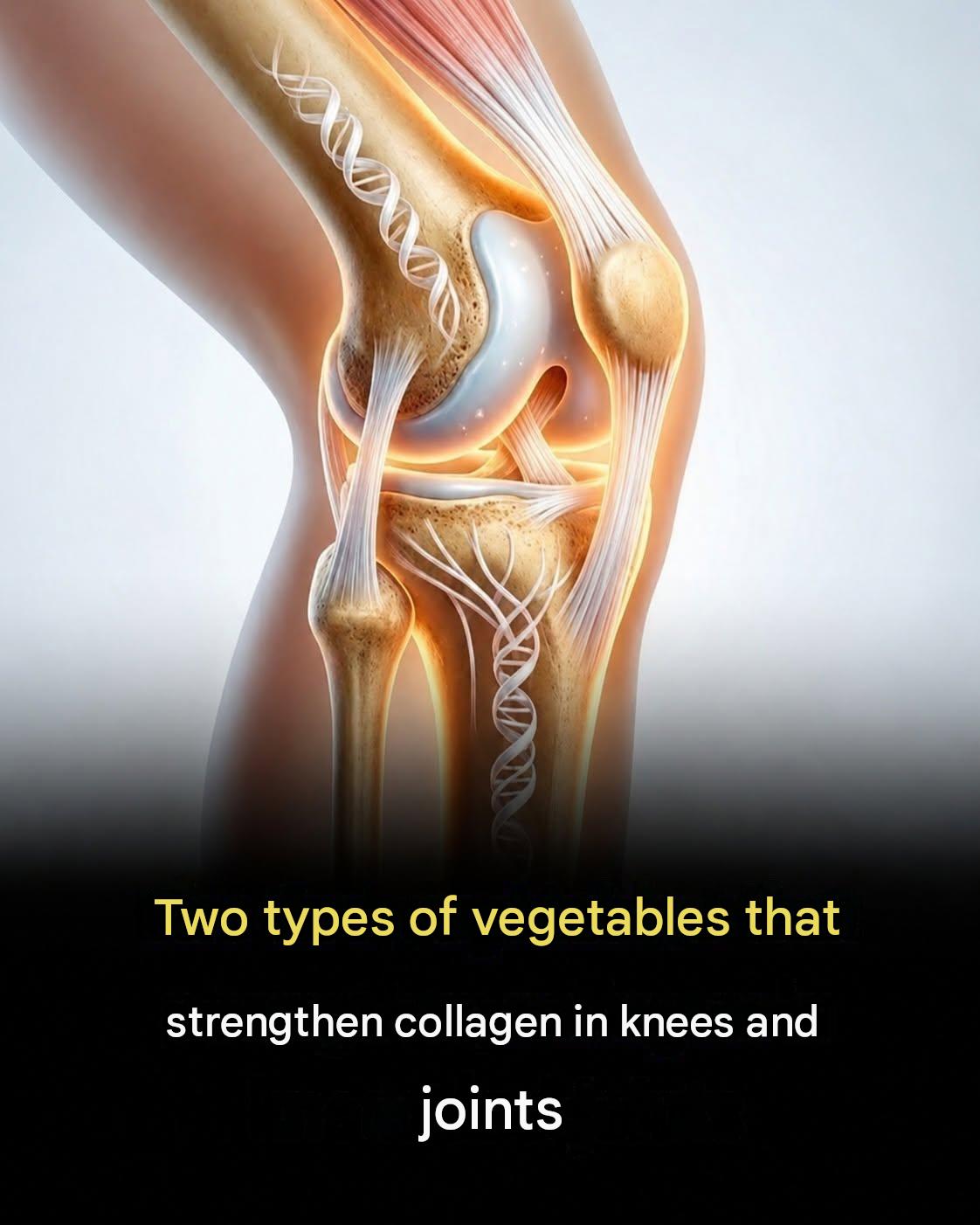
The Best Vegetables for Natural Collagen Support for Healthy Knees and Joints
This nutrient-rich vegetable can help support collagen and long-term joint health.
Joint pain and stiffness are becoming increasingly common among people of all ages. While supplements often get the most attention, experts emphasize that a healthy diet plays a key role in maintaining the body’s natural collagen production. Certain vegetables provide vitamins, minerals, and antioxidants that help support connective tissue, protect cartilage, and keep joints flexible over time.
Collagen is the primary structural protein found in cartilage, tendons, ligaments, and bones. It acts as a natural cushion, allowing joints to move smoothly while absorbing everyday stress. As we age, collagen production gradually declines, making joints more prone to stiffness and discomfort. Chronic inflammation, poor nutrition, and oxidative stress can further accelerate this process.
Fortunately, several vegetables contain nutrients that help the body naturally build and maintain collagen.
Leafy Greens
Spinach, kale, Swiss chard, and other leafy greens are among the best vegetables for joint health. They are rich in vitamin C, which is essential for collagen synthesis. Without enough vitamin C, the body cannot effectively produce or maintain collagen.These vegetables are also full of antioxidants like lutein and beta-carotene, which help reduce oxidative stress that can damage joint tissues. By reducing inflammation, leafy greens may help protect cartilage from premature wear.
Cruciferous vegetables
Broccoli, Brussels sprouts, cabbage, and cauliflower contain sulfur-rich compounds that contribute to healthy connective tissue. Sulfur plays an important role in collagen formation and supports the structural integrity of cartilage.
Broccoli is also an excellent source of vitamins C and K, which are important for maintaining healthy bones and joints.
Brightly colored vegetables
Red and orange vegetables, such as peppers, carrots, and tomatoes, provide powerful antioxidants that help protect collagen fibers from damage caused by free radicals.Bell peppers are especially rich in vitamin C, making them one of the best foods for supporting collagen production. Tomatoes contain lycopene, an antioxidant that may help reduce inflammation and protect joint tissues from oxidative damage.
Garlic and Onions
Although often overlooked, garlic and onions contain sulfur compounds that may aid in collagen formation and promote healthy connective tissue. Their natural anti-inflammatory properties may also help relieve joint pain in some individuals.
Cucumbers and celeryCucumbers help maintain hydration, while celery provides minerals and natural plant compounds that support overall joint health. Proper hydration helps cartilage stay flexible and cushions joints during movement.
Healthy habits matter too.
While these vegetables provide valuable nutrients, no single food can completely prevent joint degeneration. Experts recommend combining a nutrient-rich diet with regular exercise, maintaining a healthy weight, staying hydrated, and getting enough sleep to support long-term joint function.
Eating a variety of vegetables every day provides the body with vitamins, antioxidants, and minerals needed for natural healing processes. Combined with an overall healthy lifestyle, these simple dietary habits can help maintain joint mobility and comfort well into the future.
