
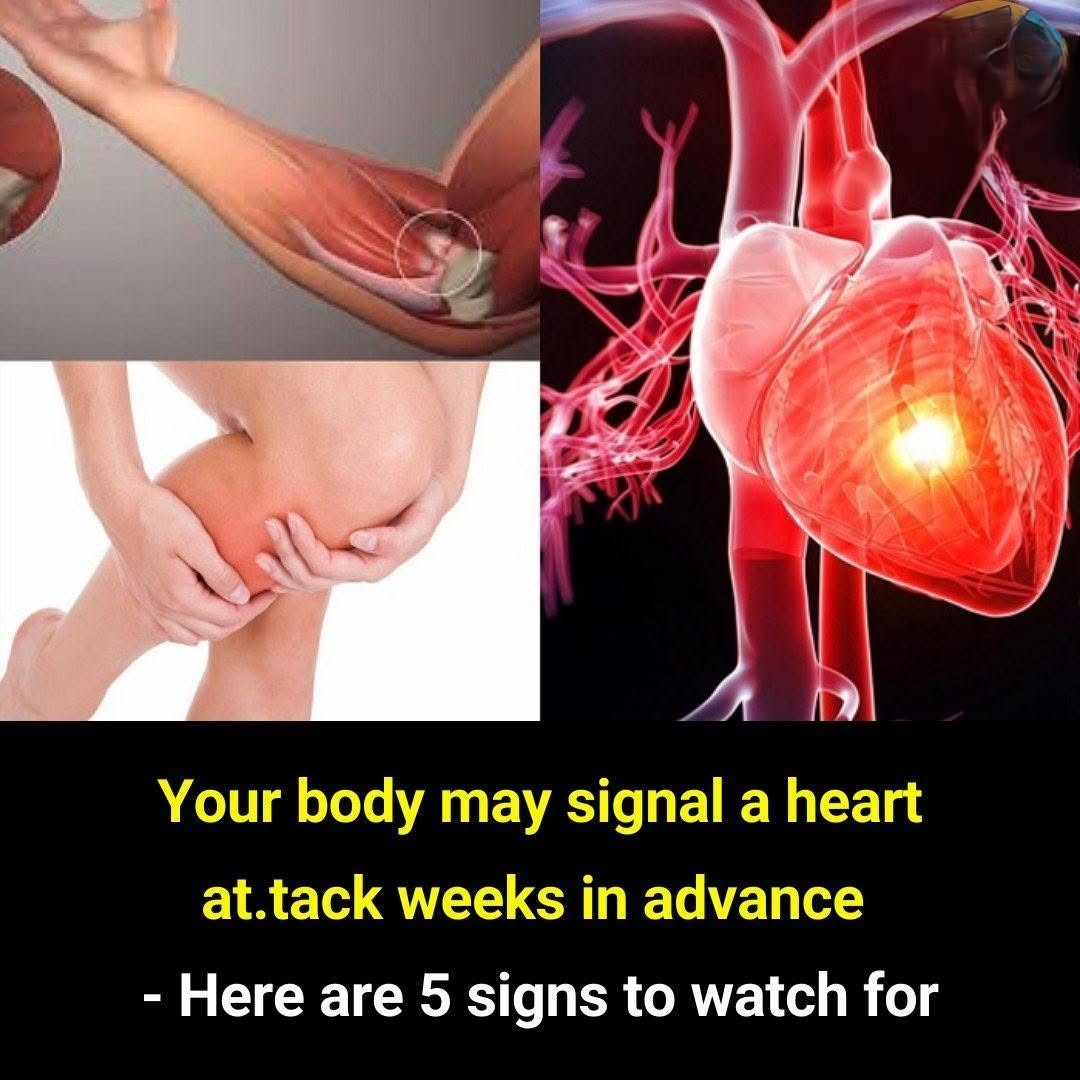
Heart attacks are often imagined as sudden, dramatic events. Many people picture someone clutching their chest and collapsing without warning. But in real life, heart attack symptoms can be more subtle. Some warning signs may appear hours, days, or even weeks before a serious cardiac event.
This does not mean every tired day, stomach upset, or shortness of breath is a heart attack. Many conditions can cause similar symptoms. However, if symptoms are unusual, persistent, sudden, or happen together, especially in someone with risk factors like high blood pressure, diabetes, smoking, high cholesterol, obesity, or a family history of heart disease, they should be taken seriously.
The original article focuses on five early clues people sometimes overlook: unusual fatigue, chest discomfort, shortness of breath, pain spreading to other areas, and symptoms such as nausea, sweating, or dizziness.
What Happens During a Heart Attack?
A heart attack happens when blood flow to part of the heart muscle is blocked. Without enough oxygen-rich blood, that part of the heart can become damaged. Quick treatment matters because the longer blood flow is blocked, the greater the risk of serious heart damage.
Heart attack symptoms can include chest pain or discomfort, shortness of breath, pain in the arm, jaw, neck, back, or shoulder, nausea, lightheadedness, or unusual tiredness. These symptoms may be sudden, but they can also build gradually.
1. Unusual Fatigue
Feeling tired after a long day is normal. But unusual fatigue is different. It may feel heavy, unexplained, or out of proportion to what you did.
Some people describe it as feeling drained after simple tasks, needing more rest than usual, or suddenly struggling with normal daily activities. This type of fatigue may be especially easy to dismiss as stress, age, poor sleep, or overwork.
The source article notes that unusual or extreme fatigue is commonly reported, especially among women.
2. Chest Discomfort or Pressure
Chest discomfort is one of the best-known heart attack warning signs, but it is not always sharp pain. It may feel like pressure, tightness, squeezing, heaviness, burning, or fullness in the chest.
The discomfort may come and go. It may become worse with activity and improve with rest. Some people mistake it for indigestion, acid reflux, anxiety, or muscle strain.
Chest symptoms should be taken seriously, especially if they are new, unusual, or happen with sweating, nausea, breathlessness, weakness, or pain spreading to other parts of the body.
3. Shortness of BreathShortness of breath can appear before or during a heart attack. It may happen while climbing stairs, walking, doing simple chores, lying down, or even resting.
Some people notice they become winded much more easily than before. Others feel like they cannot take a deep breath. This can happen with chest discomfort, but it can also happen without obvious chest pain.
The original article explains that shortness of breath may occur because the heart is struggling to pump blood effectively.
4. Pain Spreading to the Arm, Back, Neck, Jaw, Shoulder, or Upper Abdomen
Heart-related discomfort does not always stay in the chest. It may spread to the left arm, both arms, the back, neck, jaw, shoulders, or upper stomach area.
This is one reason heart symptoms can be confusing. Jaw pain may be mistaken for dental trouble. Back pain may be blamed on posture. Upper stomach discomfort may feel like indigestion.
Women, older adults, and people with diabetes may be more likely to have less typical symptoms, including jaw pain, upper back discomfort, nausea, fatigue, or shortness of breath.
5. Nausea, Cold Sweats, Dizziness, or Sudden Weakness
Some heart attack symptoms can feel like the flu, stomach trouble, or a sudden drop in energy. Possible warning signs include nausea, cold sweating, lightheadedness, dizziness, sudden weakness, or feeling faint.
These symptoms are more concerning when they happen suddenly, feel unusual, or appear with chest discomfort, shortness of breath, or pain spreading to the arm, jaw, neck, or back.
The source article warns that sudden unexplained sweating combined with chest discomfort should not be ignored.
Heart Attack Symptoms Can Differ Between Men and Women
Men often report more obvious chest pressure or chest pain, sometimes with left arm discomfort. Women may be more likely to report symptoms such as unusual fatigue, nausea, shortness of breath, jaw pain, or back pain.
Because these symptoms can seem unrelated to the heart, they may be recognized later. That delay can be dangerous.
Risk Factors That Make Symptoms More Important
Early warning signs deserve extra attention if someone has:
- high blood pressure
- high cholesterol
- diabetes
- smoking history
- obesity
- physical inactivity
- chronic stress
- family history of heart disease
- previous heart problems
The more risk factors someone has, the more important it is to get unusual symptoms checked quickly.
When to Seek Emergency HelpCall emergency services immediately if you or someone near you has chest pain or pressure that does not go away, trouble breathing, fainting, sudden severe weakness, pain spreading to the arm or jaw, cold sweat, or symptoms that feel like a possible heart attack.
Do not drive yourself if you suspect a heart attack. Fast treatment can save heart muscle and lives.
Why Early Detection Matters
Heart disease often develops gradually. Plaque can build up inside arteries for years before a major event happens. Early medical evaluation may help identify blocked arteries, high blood pressure, cholesterol problems, diabetes, or other risks before they lead to serious complications.
Listening to unusual symptoms does not mean panicking. It means paying attention and getting help when your body sends a signal that feels different from normal.
Final Thoughts
A heart attack does not always begin with dramatic chest pain. Unusual fatigue, chest pressure, shortness of breath, pain spreading to the arm, jaw, neck, back, or shoulder, nausea, sweating, dizziness, and sudden weakness may all be warning signs.
These symptoms can have many causes, but persistent or unusual changes should not be ignored, especially in people with heart disease risk factors.
The safest rule is simple: if symptoms are sudden, severe, or feel unusual, get medical help quickly.
Disclaimer: This article is for general educational information only and does not replace medical advice, diagnosis, or treatment. If you suspect a heart attack or have severe symptoms, call emergency services immediately.
