
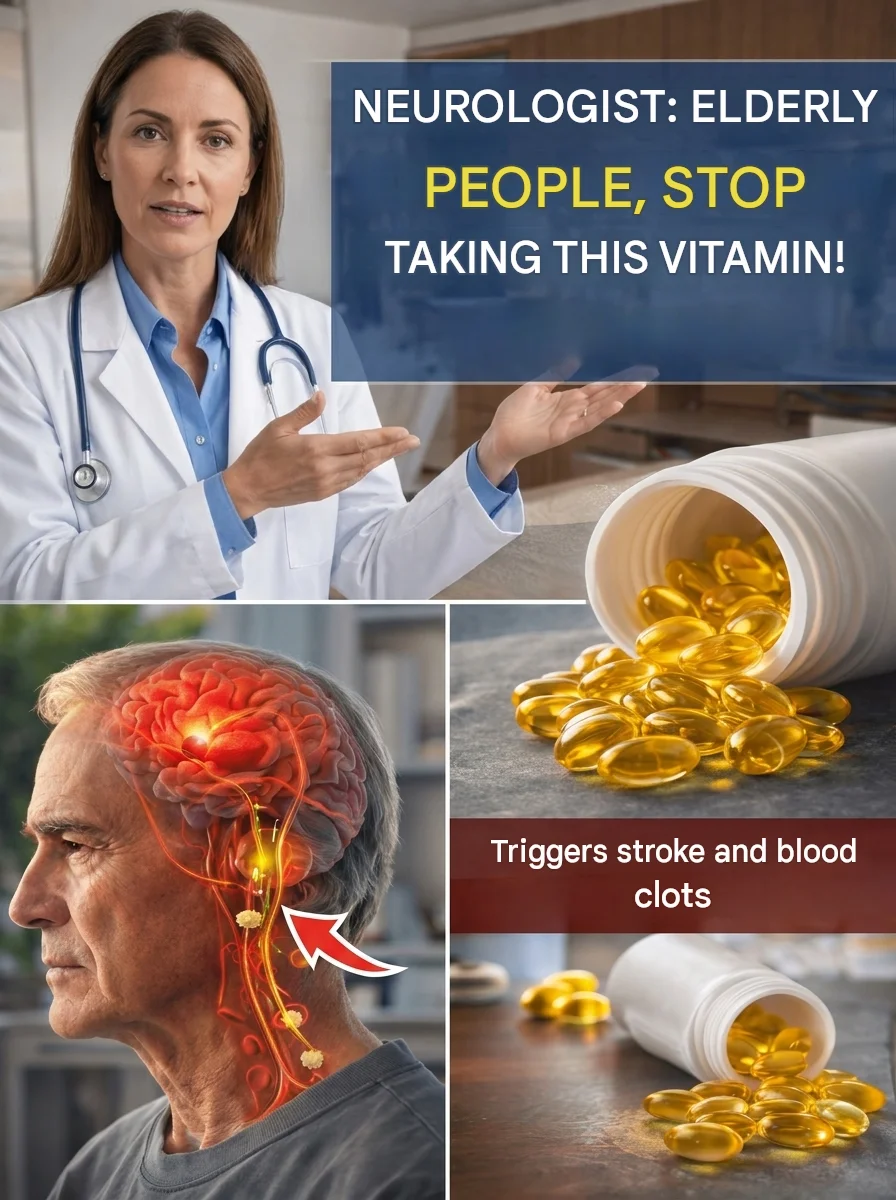
“As a neurologist, I reveal: the secret to preventing brain aging isn’t in the pharmacy, but in the balance of natural Vitamin E.”
As a neurologist with years of experience caring for elderly patients, I have observed how certain everyday choices can impact brain health in unexpected ways—especially when it comes to common supplements that many seniors take for legitimate reasons, such as strengthening bones or increasing energy.
BuyingEducational Human Anatomy Models
One vitamin that has been raising increasing concerns in the scientific community is vitamin E, particularly in high doses from supplements. Extensive studies and reviews of clinical trials suggest that, while it may offer benefits in other areas, high-dose vitamin E supplementation has been associated with a modest increase in the risk of hemorrhagic stroke (the type of stroke caused by bleeding in the brain).It’s important to emphasize that this doesn’t happen to everyone, and the overall stroke risk scenario is complex—some data even show a slight reduction in ischemic strokes (caused by blood clots). However, the potential for increased bleeding risk is something that deserves attention, especially for older adults who already have heart or blood pressure issues.
What surprises my patients most is learning that most people get enough vitamin E through a balanced diet. Pushing that intake to excessive levels via capsules can throw the body off balance in unhealthy ways. Let’s delve into the science behind this and understand how to safely protect your brain.
Understanding Vitamin E and its Role in the Body:
Vitamin E is a fat-soluble antioxidant found naturally in foods such as nuts, seeds, vegetable oils, and leafy green vegetables. It plays a crucial role in protecting cells against free radical damage, supports immune function, and aids in the health of blood vessels.
Vitamins& SupplementFor decades, vitamin E supplements were extremely popular. Early laboratory studies suggested it could prevent inflammation and plaque buildup in the arteries. However, when large human trials tested high doses (usually 400 IU or more per day), the results revealed a far more complicated reality.
What Science Says: The Risk of Stroke
A large-scale meta-analysis, involving more than 100,000 participants, yielded crucial data:
RiskManagement
Vitamin E supplementation has been associated with an approximately 22% increased relative risk of hemorrhagic stroke.
Conversely, there was an approximately 10% reduction in the risk of ischemic stroke.Although ischemic stroke is more common, hemorrhagic stroke usually has more severe consequences and higher mortality rates. For many experts, this “trade-off” is not worthwhile, especially for widespread use in the elderly population. These risks seem to be limited to supplements, and not to the consumption of foods rich in the vitamin.
RiskManagement
Why Should Older Adults Take Extra Care?
As we age, our blood vessels naturally become more fragile. In addition, many older adults already use medications such as aspirin or anticoagulants. Because vitamin E has a mild “blood-thinning” effect (interfering with platelet function and vitamin K-dependent clotting factors), an excess can amplify the tendency to bleed.Another point is that, because it is fat-soluble, vitamin E accumulates in the body, and in elderly people with slower metabolisms, this excess can become problematic more quickly.
Vitamins& Supplements
Safe Strategies for Brain Health
The good news is that you don’t need pills to get the benefits of this vitamin. The focus should be on the plate, not the bottle of supplements.
Practical Tips for Your Daily Life:
Prioritize Food Sources:
